
Drug-induced anaphylaxis can be the first sign of SM
A recent study evaluates the link between medication allergies and systemic mastocytosis, focusing on high-risk drugs like NSAIDs.
A recent study evaluates the link between medication allergies and systemic mastocytosis, focusing on high-risk drugs like NSAIDs.

Most children with mastocytosis limited to the skin improve or fully resolve, often within a few years, rather than progress to SM.

Needle-free epinephrine to treat anaphylaxis could reduce hesitation, improve portability and increase access to this life-saving drug.

Advanced SM is associated with marked increases in five- and ten-year mortality, with nonadvanced SM also having impacts on mortality.
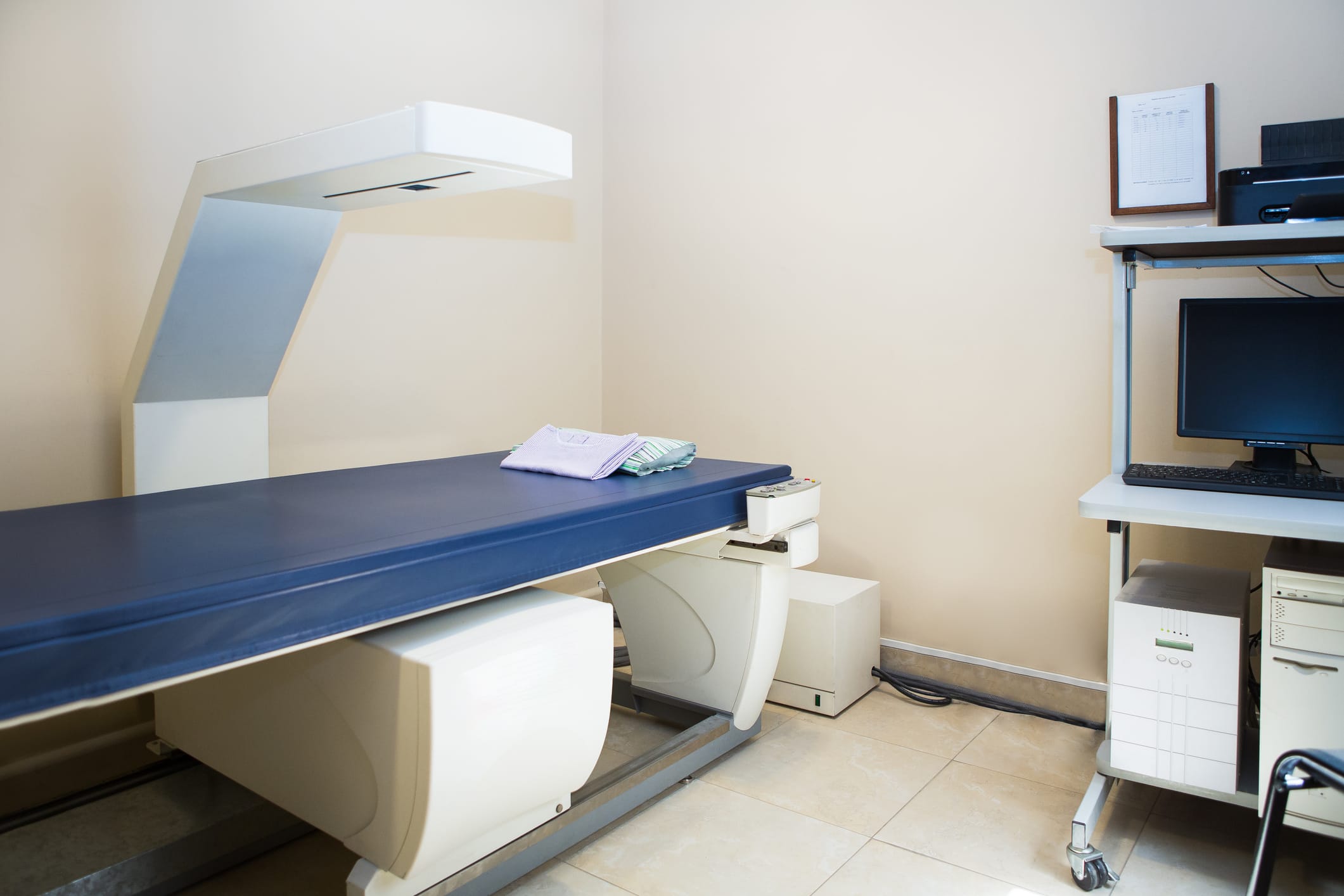
A scan called DXA, which is used to measure bone mineral density, does not always correctly show the risk of fractures in SM.

Even without symptoms, gastrointestinal mastocytosis carries a risk of bone marrow involvement, according to new research.

People with SM may require significantly higher doses of adrenaline and early admission to intensive care when experiencing anaphylaxis.

Patients with SM experience higher frequencies of multisystem symptoms both in the year before and after diagnosis.

Conventional tryptase thresholds (~11 μg/L) should be maintained rather than raised, and tryptase alone is insufficient to rule out SM.

Researchers found CD123 expression in 91% of SM cases, showing it is a frequent and stable marker in nearly all disease subtypes.